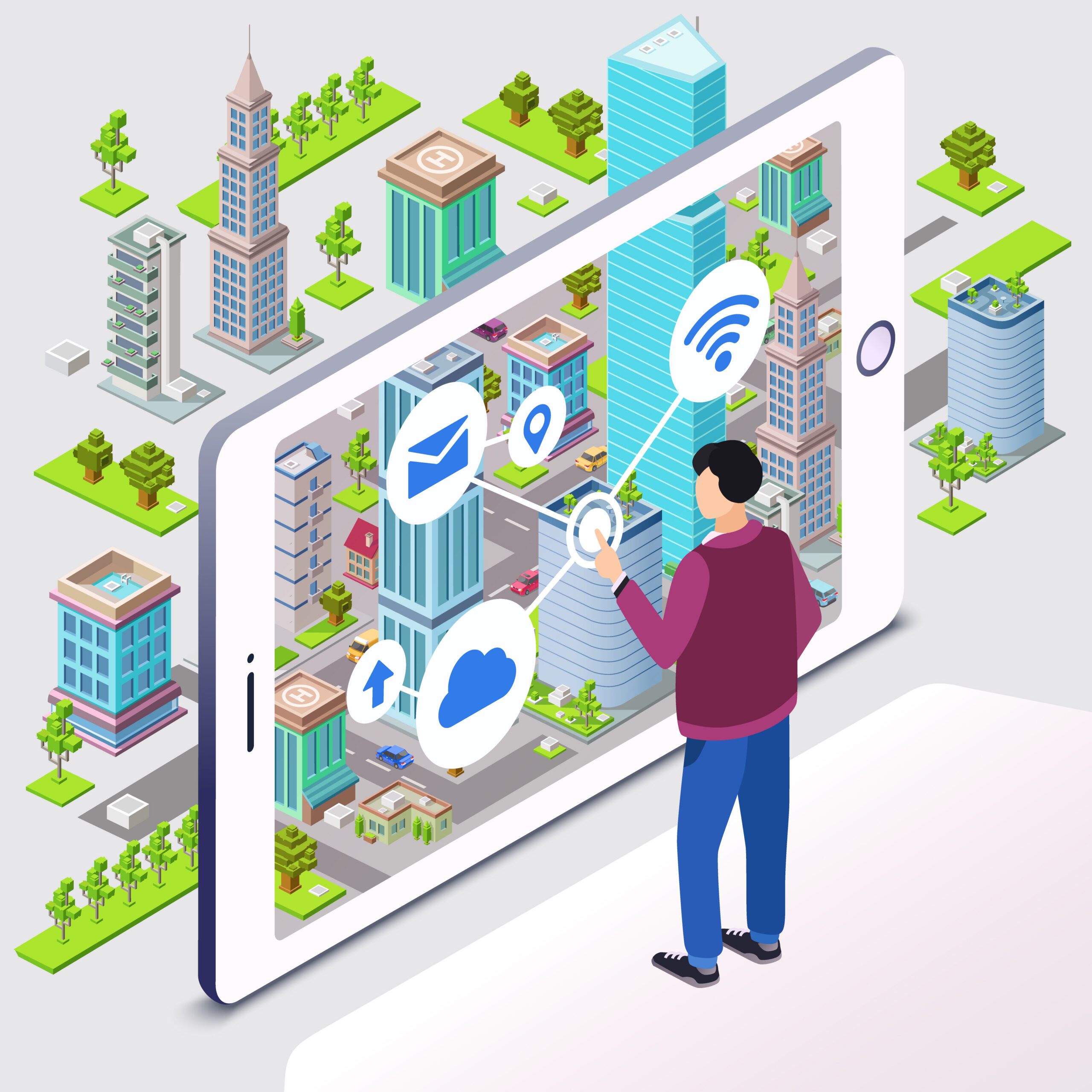
Digital transformation in local government isn’t just about launching a new website or moving PDFs online. It’s the shift from paper-based, siloed workflows to digital services that are faster, more transparent, and easier for residents to use. Done well, it improves trust, shortens wait times, reduces administrative burden, and makes critical information easier to access, especially during emergencies.
Across the U.S. (and increasingly worldwide), public sector digital transformation is showing real results through practical, resident-facing upgrades like modern city websites, digital permitting portals, and text alert systems. But progress isn’t always smooth. Legacy systems, procurement constraints, privacy concerns, and change management can slow or stall efforts.
Below are real-world examples of impact, plus the challenges and best practices that help local governments succeed.
Success Story 1: Resident Service Portals That Actually Work
A common and high-impact starting point is improving how residents report issues and request services. Boston’s 311 program is a strong example of a service model built for convenience: residents can contact the city for non-emergency help through phone, online requests, or the BOS:311 app (including uploading photos).
Why this matters:
- It reduces friction for residents (“I saw it, I reported it, it’s tracked”).
- It creates a trackable workflow internally, improving accountability.
- It surfaces service demand patterns that can guide budgeting and staffing.
Best practice: Treat service requests like support tickets. Provide confirmation, status updates, and clear ownership, so residents feel heard and staff can prioritize effectively.
Success Story 2: Digital Permitting That Cuts Delays and Improves Transparency
Permitting is often where the government feels slowest to residents and businesses. Digital permitting platforms can dramatically reduce in-person visits, eliminate rework, and improve tracking.
New York City’s Department of Buildings uses DOB NOW, a web-based portal that enables property owners and professionals to conduct DOB business online. NYC explicitly calls out the benefit: you can file from your computer without coming in person.
Why this matters:
- Local contractors and small businesses spend less time waiting in offices.
- Staff can standardize submissions and reduce manual data entry.
- Applicants get clearer visibility into the status of filings.
Best practice: Digitize the end-to-end workflow, not just the application form. Include document upload, fee payment, milestone notifications, and two-way communication to reduce back-and-forth. DOB NOW: Build, for example, supports online job filing, document uploads, viewing objections, and milestone emails.
Success Story 3: Text Alerts and Mobile Notifications for Public Safety
In emergencies, communication speed saves lives. Text alert systems and notification apps are a practical example of public sector digital transformation delivering immediate public value.
Notify NYC is New York City’s official source for emergency alerts and important city services, offering mobile app access and subscription options.
Why this matters:
- Residents get verified information quickly (reducing rumor spread).
- Cities can target communications by geography or category.
- Alerts can cover both emergencies and major service disruptions.
Best practice: Make sign-up easy and communication consistent. Use clear language, avoid jargon, and coordinate across agencies so residents aren’t overwhelmed with conflicting messages.
Success Story 4: Open Data Platforms That Improve Decision-Making
Digital transformation isn’t only resident-facing; it also improves how agencies collaborate internally. Los Angeles’ GeoHub is a public platform for exploring, visualizing, and downloading location-based open data, including the ability to analyze and combine layers and develop new web/mobile applications.
Why this matters:
- Departments share a common view of data (reducing duplicated work).
- Planners and policymakers can make faster, evidence-based decisions.
- Residents and civic groups can access information more transparently.
Best practice: Publish data with context. Provide plain-language explanations, refresh schedules, and APIs where possible, so data is usable, not just “available.”
Common Challenges in Digital Transformation
Even with strong momentum, digital transformation in local government faces predictable hurdles:
- Legacy technology and integrations. Older systems weren’t designed to share data. Modern portals often need complex integrations to avoid creating new silos.
- Procurement and vendor lock-in. Long procurement cycles can slow innovation. Poorly scoped contracts can lead to inflexible systems that are hard to improve.
- Privacy, security, and compliance. Government data is sensitive. Resident identity, location, and case information require strong safeguards and clear governance.
- Change management and workforce adoption. Tools don’t transform services, people do. If staff aren’t trained and supported, new platforms can become “extra work” instead of better work.
- Digital equity and accessibility. Digital services must work for everyone. That includes language access, mobile-first design, ADA compliance, and offline alternatives where needed.
Best Practices That Make Transformation Stick
Digital transformation succeeds when local governments focus on long-term usability, staff adoption, and measurable service improvements; not just launching new tools. The most effective programs are built around resident needs, strong data governance, and continuous optimization.
To move from pilot projects to lasting improvements:
- Start with high-impact use cases (311, permitting, payments, alerts) that residents feel immediately.
- Design around user journeys, not org charts, map what residents actually need to do.
- Measure outcomes, not launches: time-to-permit, call volume reduction, resolution time, satisfaction.
- Build with accessibility and inclusion from day one (WCAG/ADA, multilingual content, mobile UX).
- Invest in data governance to ensure data quality, ownership, and privacy controls.
Build Your Next Government Digital Win
Whether you’re modernizing a city website, rolling out digital permitting, or improving emergency communications, success depends on strategy, implementation, and measurable outcomes.
Explore how Advanced Federal can support public sector modernization initiatives, planning through delivery.